Affordable Dental Emergency Plano TX Care: What to Know
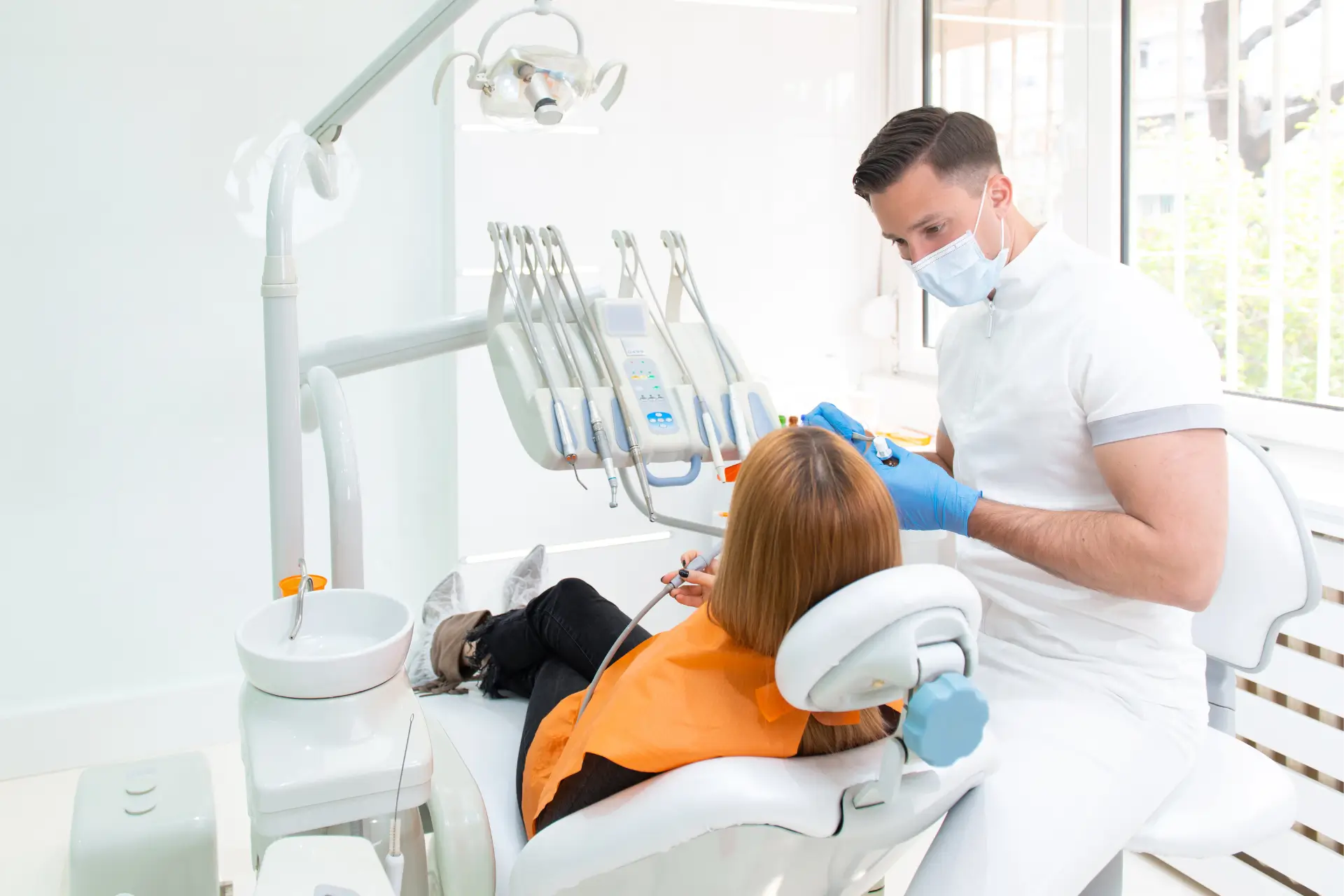
A dental emergency has a way of rearranging your priorities in a hurry. A cracked molar that seemed tolerable at dinner can become throbbing, sharp pain by midnight. A child slips at practice and suddenly has a broken front tooth. A filling falls out on a Friday, and by Saturday morning cold water feels unbearable. In those moments, most people are not wondering about long-term smile goals. They want pain relief, clear answers, and a bill they can realistically manage.
That is where affordable Dental Emergency Plano TX care becomes more than a search term. It becomes a practical need. People often assume emergency dental treatment automatically means high fees, limited options, or a trip to the ER. Sometimes that is true if the issue involves major trauma, uncontrolled bleeding, or swelling that affects breathing. Many times, though, the right emergency dentist can handle the problem faster and at a lower cost than patients expect.
The challenge is knowing what actually counts as a dental emergency, what can wait a day or two, and how to protect both your health and your budget while you get care.
The difference between urgent, serious, and truly dangerous
Not every dental problem is an emergency, but many deserve prompt attention. Experience matters here because the line is not always obvious to patients. A dull toothache after biting ice might be minor sensitivity. A dull toothache that wakes you at 3 a.m., radiates into the jaw, and worsens when you lie down is a different story. Pain is only one signal. Swelling, fever, trauma, and inability to eat normally can matter just as much.
A good rule is to think in terms of function and infection. If you cannot chew, sleep, or focus because of pain, that is urgent. If you have visible swelling, pus, a bad taste in the mouth, or fever, infection may be involved and delay can make treatment more complicated and more expensive. If there is facial trauma, heavy bleeding, or trouble breathing or swallowing, that crosses into immediate medical care.
Many patients also underestimate broken teeth. A chipped edge without pain may wait briefly. A fracture that exposes the nerve can become excruciating fast. I have seen people try to “watch it” over a weekend only to end up needing more involved treatment on Monday because the crack deepened or the nerve became inflamed beyond recovery.
Problems that usually need same-day or next-day dental care
Certain situations almost always justify calling an emergency dentist right away. These are the ones that tend to deteriorate if ignored:
- Severe tooth pain that does not ease with basic measures
- Swelling in the gums, face, or jaw
- A knocked-out tooth or a tooth pushed out of position
- A cracked, broken, or loose tooth after injury
- Lost fillings, crowns, or bridges when the tooth is painful or sharp
That short list covers a large share of what practices see under the umbrella of Dental Emergenc calls, even if patients describe the problem in very different ways. One person says “my tooth exploded.” Another says “my crown came off and now air hurts.” The language varies, but the priority is the same, stabilize the problem before it worsens.
Why costs vary more than people expect
When people ask whether emergency dental care is affordable, they are usually asking the wrong first question. The better question is, “Affordable compared to what?” Compared to weeks of unmanaged pain, missed work, infection spread, or treatment delay that turns a simple fix into a root canal and crown, prompt care is often the cheaper path.
Still, fees vary. In Plano, as in most cities, emergency dental costs depend on several factors. The exam itself may be modest, especially if a practice offers a limited emergency visit for diagnosis and immediate relief. Once X-rays, sedation, extraction, root canal treatment, or a temporary restoration enters the picture, the cost rises. Timing also matters. After-hours visits, same-day procedures, and specialty referrals may cost more than a standard weekday appointment.
The part many patients do not see from the outside is that two emergencies with similar pain levels can require very different treatment. One toothache may need a small filling because a cavity reached a sensitive area. Another may need a pulpotomy, full root canal treatment, or extraction because the nerve is infected. Both feel urgent. Only one is relatively inexpensive.
That is why trustworthy emergency practices focus on diagnosis first. They tell you what is happening, what must be done today, what can be staged later, and what each option likely costs. The office that insists on a full menu of non-urgent treatment during a pain visit is not always putting the patient first.
What “affordable” usually looks like in real life
Affordable does not always mean cheap. In dentistry, it often means there is a practical path to get out of pain without committing to the most comprehensive final treatment on day one.
For example, if a crown breaks off a back tooth and the tooth structure is still largely sound, a dentist may be able to recement or place a temporary measure while you plan the permanent restoration. If a tooth is infected, the immediate goal may be to open and drain, prescribe medication when appropriate, and schedule the next phase once you know your insurance benefits or payment options. If a tooth is not savable, extraction may be the most cost-effective emergency choice, even though replacement options can be discussed later.
That kind of stepwise approach is often what makes emergency care manageable for working families, students, and retirees on a fixed income. It separates what has to happen now from what can be planned responsibly.
Patients are sometimes embarrassed to say cost is a concern. They should not be. A seasoned front desk and clinical team hears that every day. In many offices, the most useful sentence a patient can say early is, “I need relief, and I need to understand the most affordable safe option.”
Insurance helps, but it is not the whole story
Dental insurance can reduce out-of-pocket costs, but emergency care rarely fits neatly into the way patients imagine benefits working. Most plans help with exams and X-rays. Many cover fillings and simple extractions at some level. Coverage for crowns, root canals, oral surgery, or replacement of broken appliances may vary a lot. Annual maximums also matter. A patient who already used much of the plan earlier in the year may still face significant out-of-pocket expense.
The flip side is that uninsured patients often assume they have no options, and that is not always true. Many dental offices in Plano offer some combination of payment plans, third-party financing, membership savings plans, or staged treatment. These arrangements are not identical, and terms differ, but they can make urgent care far more accessible than people expect.
One caution is worth stating plainly. Financing can solve a timing problem, but it does not make treatment cheaper by itself. If interest applies, the final amount paid may be higher. It is smart to ask whether there is a same-day cash rate, an in-house membership, or a less expensive clinically sound alternative before signing a long repayment contract.
The emergency room is not usually the best first stop
People head to the ER for dental pain more often than they should, usually because it feels like the only place open or the only place that will take them seriously. Emergency rooms have an important role, but for most dental issues they can only do part of the job. They may provide pain control, antibiotics when indicated, and referral. They usually cannot perform a filling, root canal, crown repair, or tooth extraction in the way a dental office can.
That means the patient may pay for one visit and still need another. If there is swelling affecting breathing, major trauma, or signs of a spreading infection, the ER is appropriate and necessary. For routine emergency dental pain, calling a local emergency dentist first is often faster and less expensive.
This is especially relevant for families trying to locate Dental Emergency Plano TX services after business hours. Many practices have voicemail instructions, online scheduling, or on-call systems. A few minutes spent calling the right office can spare hours of waiting and a much larger bill.
What to do before you get to the dentist
The time between the injury or sudden pain and the appointment matters. What you do in those first hours can reduce damage and, in some cases, save a tooth.
If a permanent tooth gets knocked out, handle it by the crown, not the root. If it is dirty, rinse it gently with milk or saline if available. Do not scrub it. If the person is old enough and calm enough, placing it back into the socket can help, but only if it slips in easily and correctly. Otherwise keep it moist in milk or a tooth preservation solution if you have one, and get to a dentist immediately. Time matters a great deal here.
For swelling, a cold compress on the outside of the face can help. Heat is often a mistake because it can increase throbbing. For a lost filling or crown, keep the area clean and avoid chewing on that side. Over-the-counter pain relievers may help many adults, but people with ulcers, kidney disease, blood thinner use, pregnancy, or medication allergies need to be more careful and should follow medical guidance.
A simple approach helps most patients:
- Call the dental office as soon as possible and describe the symptoms clearly
- Rinse gently with warm salt water unless the office tells you otherwise
- Use a cold compress for swelling or trauma
- Save any broken tooth pieces, crown, or appliance and bring them with you
- Avoid chewing hard foods on the affected side
These steps will not fix the underlying problem, but they can keep it from getting worse while you travel.
How to choose an emergency dentist when you are under pressure
People make rushed decisions when they are in pain. That is normal. It also leads to avoidable mistakes, such as choosing an office based only on the first ad that appears online. A better test is whether the practice can explain access, triage, and costs clearly.
A strong emergency dental office usually does a few things well. It asks enough questions on the phone to judge urgency. It offers a realistic timeframe for being seen. It explains whether the initial fee covers the exam, X-rays, or only a consultation. It does not promise a specific treatment before evaluating the tooth. It also respects that some patients need immediate relief first and a fuller treatment plan second.
If you are comparing options in Plano, ask plain questions. Can you see me today? What is the fee for the emergency evaluation? If I need treatment today, what common procedures can be done in-house? Do you accept my insurance, and if not, are there payment options? The offices that answer directly are usually easier to work with once you arrive.
Common emergencies, and what treatment may look like
A severe toothache often traces back to deep decay, a cracked tooth, or infection around the nerve. The immediate treatment may range from a filling to a root canal access procedure, a full root canal, or extraction. Antibiotics are not a cure for most toothaches by themselves. They are appropriate in selected cases, particularly where swelling or systemic signs appear, but the source usually needs dental treatment.
A broken tooth creates a different set of decisions. Small chips may be polished or bonded. Larger fractures may need a crown if enough healthy tooth remains. If the crack extends below the gum line or into the root, saving the tooth may not be possible. That is one of the painful trade-offs in emergency care. The most affordable option up front can be extraction, but replacement later with a bridge or implant is a separate financial consideration.
Lost crowns and fillings sit in a middle category. These problems can be relatively inexpensive if caught early and the tooth underneath is still intact. Delay changes that. I have seen patients leave a missing crown untreated for several weeks because the tooth “only hurt a little,” then come in with decay or fracture that made a simple recement impossible.
Gum swelling and abscesses can be deceptive because some people feel pressure more than pain. A pimple-like bump on the gum, foul taste, or localized swelling should not be ignored. Infection can track in unexpected directions. Even when discomfort seems manageable, an abscess can become serious.
Why timing can save money as much as teeth
There is a practical financial principle in emergency dentistry that patients understand quickly once they have lived through it. The earlier the intervention, the more options you usually have.
A cavity that causes occasional sweets sensitivity may be a straightforward filling. Wait until the nerve is involved, and that same tooth may need a root canal and crown. A loose crown can often be reattached or replaced with limited fuss if addressed promptly. Leave the exposed tooth vulnerable to decay and fracture, and the situation can become much more expensive. A knocked-out tooth has its best chance when treated fast. Hours matter.
This is one reason affordable care is not just about finding the lowest listed exam fee. It is about finding a practice that can see you quickly, diagnose accurately, and do what is necessary before the problem escalates.
Special concerns for children and older adults
Children and older adults often present differently, and their emergencies can be easy to misjudge.
With children, parents understandably panic when there is blood or a broken front tooth. The key detail is whether the injured tooth is a baby tooth or a permanent tooth. A baby tooth that has been knocked out is generally not replanted because doing so can harm the developing permanent tooth underneath. A permanent tooth is different and needs urgent attention. Soft tissue cuts, lip injuries, and jaw discomfort also deserve careful evaluation after falls or sports injuries.
Older adults may be dealing with crowns, bridges, implants, partial dentures, dry mouth from medications, or bone changes that affect healing. A loose bridge, denture sore, or implant discomfort can become an urgent quality-of-life issue quickly, even when it does not look dramatic from the outside. Cost considerations also hit this group hard, especially for retirees managing fixed monthly budgets.
In both age groups, offices that make room for same-day triage and communicate clearly with caregivers are worth their weight in gold.
Questions worth asking before treatment starts
When pain is high, it is tempting to say yes to the first option presented just to get it over with. Most of the time, that instinct is understandable. Still, a few questions can protect you from surprises and help you choose the most reasonable path.
Ask what needs to be done today to stop the problem from worsening. Ask what can safely wait. Ask for the fee range before treatment begins, including X-rays, medications, and temporary restorations if relevant. Ask what happens if the dentist starts one approach and finds the tooth is not restorable after all. None of these questions are confrontational. They are normal, especially in emergency settings.
This matters because emergency care often involves judgment calls. A borderline cracked molar may be worth trying to save in one patient and not in another, depending on the location of the crack, the bite forces, the long-term prognosis, and the patient’s budget. Honest dentistry means laying out those trade-offs, not pretending every tooth should be saved at any cost.
Preventing the next emergency
Not every emergency is preventable, but many are. Nightguards for grinders, repair of small cavities before they deepen, replacement of old broken fillings, and mouthguards for sports all reduce the odds of a weekend crisis. So does paying attention to small warning signs. Intermittent pain when biting, a crown that feels slightly loose, bleeding around one tooth, or a recurring bad taste are all worth checking before they become urgent.
One pattern repeats often in practice. Patients do not ignore symptoms because they do not care. They ignore them because life is busy, money is tight, or the problem comes and goes. Then it escalates at the worst possible time. Routine care is not always cheap, but it is usually less disruptive and less expensive than emergency care under pressure.
The bottom line for Plano patients
Affordable emergency dental care is not a myth, but it does require a clear-eyed approach. The cheapest-looking option is not always the least expensive once delays, incomplete treatment, or extra visits are factored in. On the other hand, urgent care does not have to mean a blank check. The best emergency dental offices in Plano understand this balance. They focus first on diagnosis, pain relief, stabilization, and honest discussion about what is necessary now versus later.
If you are searching for Dental Emergency Plano TX care, start with urgency, not fear. Look for a practice that can see you promptly, explain fees plainly, and offer realistic treatment choices. When a dental crisis hits, those three https://wakelet.com/@vitalitydental1 things matter as much as the procedure itself.
Vitality Dental
Address: 1220 Coit Rd #106, Plano, TX 75075
Phone number: +19726454100
FAQ About Dental Emergency Plano TX
What can the ER do for a tooth?
An emergency room (ER) can manage pain and treat severe infections with medication, but it cannot fix or pull a tooth.
What is considered a dental emergency?
A dental emergency is any oral health problem that involves severe pain, uncontrollable bleeding, or an infection that threatens your health or requires immediate care to save a tooth.
Is there a 24-hour dental service in Plano, TX?
There is no physical dental clinic in Plano, Texas, that stays open with walk-in staff 24 hours a day, but several offices offer 24/7 phone support, late-night hours, or same-day emergency care.