Emergency Dentist Care After a Fall or Facial Injury
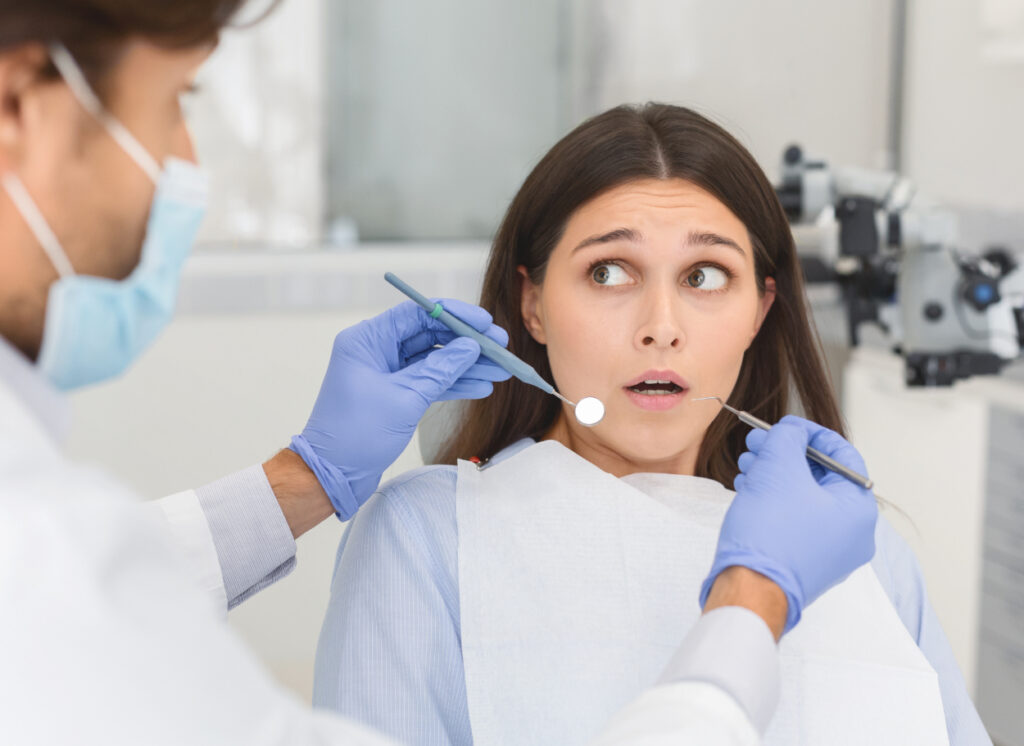
A fall happens fast. One missed step on a staircase, a collision on a basketball court, a child slipping near the pool, a bike tire catching a curb. In a split second, the mouth and face can take the full force of impact. When that happens, most people look first for blood, swelling, or a broken bone. Teeth are easy to overlook, especially if the injury feels minor at first.
That is often a mistake.
Dental trauma does not always announce itself dramatically. A tooth can crack below the gumline without obvious pain. A blow to the mouth can damage the nerve inside a tooth and leave it looking normal for days. Lips and cheeks can hide tooth fragments. A jaw may still open and close, but not quite the same way. What feels like “just a chipped tooth” can become a much bigger problem if treatment is delayed.
An Emergency Dentist plays a specific role after a fall or facial injury. The goal is not only to stop pain. It is to preserve teeth, reduce the risk of infection, assess hidden damage, and coordinate care when the injury extends beyond the mouth. In real practice, timing matters. So does knowing when a dental emergency belongs in a hospital first.
The first few minutes matter more than most people think
After a facial injury, adrenaline can blur the picture. People often insist they are fine while holding a tissue to a bleeding lip and swallowing blood from a cut inside the mouth. Parents are especially familiar with this, because children can cry hard for five minutes, then ask for a snack while standing there with a fractured front tooth.
The mouth is highly vascular, so even a small laceration can bleed a lot. That alone can make an injury look worse than it is. At the same time, some of the most serious dental injuries bleed very little. A tooth that has been pushed out of position, loosened in the socket, or cracked through the root may not be dramatic to the eye. The patient simply says, “It feels off.”
That feeling matters.
A dentist evaluating facial trauma is paying attention to details patients rarely think to mention. Did the bite change immediately after the fall? Is there tenderness when tapping a tooth? Is there numbness in the lip or chin? Was the tooth completely knocked out, or does it look shorter because it was driven into the bone? Was there loss of consciousness, which may shift the priority toward medical evaluation first? These questions help sort a straightforward dental injury from a more complex head, facial, or jaw injury.
What to do right away
If the person is alert, breathing normally, and there is no heavy uncontrolled bleeding, a few practical steps can protect the teeth and soft tissues before you reach care.
- Control bleeding with gentle pressure using clean gauze or a clean cloth.
- Apply a cold compress to the outside of the face in short intervals to limit swelling.
- If a tooth has been knocked out, pick it up by the crown, not the root, and keep it moist in milk or saline if possible.
- Avoid chewing, especially on the injured side, and do not test a loose tooth repeatedly.
- Call an Emergency Dentist promptly, and describe whether teeth are chipped, moved, loose, or missing.
Those steps sound simple, but they change outcomes. The handling of a knocked-out permanent tooth is a classic example. Touching or scrubbing the root can damage the living cells needed for reattachment. Letting the tooth dry out for too long lowers the chance of saving it. Every dentist who handles trauma cases has seen this go both ways. The tooth brought in quickly, stored properly, often has a fighting chance. The tooth wrapped in a dry napkin for two hours usually does not.
When the emergency room should come first
Dentists routinely manage urgent dental trauma, but some facial injuries need medical stabilization before dental treatment. The line is not always complicated. If the injury suggests head trauma, a jaw fracture, breathing compromise, or a deep facial wound, the hospital is the right first stop.
Seek immediate medical attention first if any of the following are present:
- Loss of consciousness, vomiting, confusion, severe headache, or memory loss after the fall
- Difficulty breathing or swallowing
- Heavy bleeding that does not slow with pressure
- Obvious facial deformity, inability to open or close the jaw normally, or suspected fracture
- A deep cut through the lip, face, or tongue that may need stitches
Once those urgent issues are addressed, dental treatment should follow as soon as possible. In many cases, emergency physicians will manage the immediate medical risk and then advise prompt follow-up with an Emergency Dentist or oral surgeon.
The injuries dentists see most often after a fall
Not every trauma case looks the same. A child diving for a soccer ball and an older adult slipping on wet tile may both strike the mouth, but the damage pattern can be very different. Age, bone density, the angle of impact, and whether braces, crowns, or dentures are involved all change the picture.
A chipped tooth is probably the injury people recognize most easily. Sometimes it is a small enamel fracture with rough edges and no sensitivity. Other times the chip exposes the deeper dentin or even the pulp, the soft tissue inside the tooth that contains nerves and blood vessels. The larger the fracture, the more time-sensitive the repair tends to be. Exposed pulp often brings sharp pain, temperature sensitivity, and a clear need for urgent care.
A displaced tooth is often more serious than a chipped one. Teeth can be pushed sideways, driven deeper into the socket, or partially pulled out. Patients may describe this as a bite that no longer lines up. Dentists call these luxation injuries, and they deserve careful assessment because the supporting ligament and surrounding bone may be damaged even if the crown is intact.
Then there are avulsed teeth, meaning the tooth has been completely knocked out. For a permanent tooth, this is among the most time-sensitive dental emergencies there is. Reimplantation may be possible, but the odds improve dramatically when action is quick. For baby teeth, the approach is different. They are generally not replanted because doing so can harm the developing permanent tooth underneath. That distinction matters, especially in panicked moments when a parent is trying to do the right thing.
Soft tissue injuries are also common. The inside of the lip can be cut by a sharp tooth edge. The tongue may be bitten during impact. Sometimes a patient keeps feeling “something stuck” in the lip after swelling begins, and an X-ray reveals a tiny piece of tooth embedded in the tissue. It is not rare. Any facial laceration after dental trauma should be checked with that possibility in mind.
Jaw injuries add another layer. A patient may still be able to talk and drink water, yet have a fracture or joint injury. Pain near the ear, difficulty closing into the usual bite, or pain when trying to open wide can all point to problems involving the jaw or temporomandibular joint.
Why pain is not a reliable guide
One of the most misleading parts of dental trauma is the pain pattern. Some severe injuries hurt less than expected at first. A tooth with nerve damage may go numb temporarily. A crack can hide under the gumline and become painful only when chewing pressure opens it microscopically. Soft tissue swelling may overshadow tooth pain for the https://cesarijzk227.quantlynix.com/posts/how-to-know-if-you-need-an-emergency-dentist-or-can-wait-until-morning first day or two.
The reverse can happen too. A small enamel chip can feel enormous to the tongue and seem unbearable because the edge is sharp or the exposed dentin reacts to air. The injury looks minor but feels major.
That mismatch is why post-trauma dental exams matter even when symptoms seem manageable. A dentist will usually check tooth mobility, percussion sensitivity, response to vitality testing, gum injury, bite alignment, and imaging when indicated. Not every damaged tooth shows a problem on day one. Some need monitoring over weeks or months for color change, delayed nerve death, or root resorption. A good trauma evaluation is not just about what can be fixed immediately. It is also about what needs watching.
Timing can save more than appearance
People sometimes postpone care because the visible damage seems cosmetic. A small chip on a front tooth can wait, they think, until life settles down. That is understandable, especially after a stressful accident. But trauma is not purely about appearance.
A seemingly modest fracture may leave the tooth vulnerable to bacterial invasion. A displaced tooth may set in the wrong position. A cracked cusp may propagate deeper when the patient chews dinner that night. If the bite changed after the injury, continued function can strain already injured ligaments and joints. Quick assessment often means a more conservative repair. Delay can push the treatment plan toward root canal therapy, extraction, or more extensive reconstruction.
The same logic applies to patients with crowns, veneers, implants, or bridges. Restorations change how force is distributed. A crown may pop off while the underlying tooth remains sound, or the tooth under it may fracture in a way that is not obvious from the outside. Implants do not get cavities, but the surrounding bone and soft tissue can still be injured in a facial impact. Existing dental work deserves close examination after a fall.
What treatment may involve
Emergency dental care after facial trauma is rarely one-size-fits-all. Sometimes the appointment is brief and focused, smoothing a sharp edge, stabilizing a loose tooth, and taking radiographs. Sometimes it becomes a coordinated effort among a general dentist, endodontist, oral surgeon, or physician.
For fractures, treatment may range from bonding a chipped edge to placing a protective restoration or planning a crown later once the tooth has settled. If the pulp is exposed or later becomes non-vital, root canal treatment may be necessary. For displaced teeth, repositioning and splinting are common. A flexible splint allows the tooth some physiologic movement while healing, rather than rigidly locking it in place. The duration depends on the injury pattern.
An avulsed permanent tooth, if it can be replanted, is usually cleaned carefully in a controlled way, reinserted into the socket, and splinted. The timing of root canal therapy afterward depends on the tooth and stage of root development. Those decisions are technical, but the practical point is straightforward: speed and proper handling influence whether the tooth can remain functional long term.
Soft tissue care may include cleaning the wound, checking for debris or tooth fragments, and deciding whether sutures are needed. If the lip was struck against the teeth, the inside may be more damaged than the outside. That mismatch surprises patients all the time.
Children, teens, and older adults each bring different concerns
Pediatric dental trauma has its own rhythm. Children fall often. Most of those falls are minor, but when front teeth are involved, the emotional impact is immediate. Parents are looking at bleeding gums, a crying child, and possibly a tooth that appears crooked or missing. The challenge is to stay calm enough to identify whether the affected tooth is primary or permanent. That determines a lot of the next steps.
With children, growth and developing teeth beneath the gums matter. A hit to a baby tooth can sometimes disturb the permanent tooth that has not erupted yet. The child may seem fine, but months later a permanent tooth emerges discolored or with an enamel defect. That possibility is one reason follow-up matters even after the initial swelling fades.
Teenagers and young adults often present after sports injuries, scooter accidents, and contact collisions. Mouthguards reduce risk, but they do not eliminate it. Orthodontic brackets add another problem, because lips and cheeks can tear against them during impact.
Older adults deserve special mention. Falls are more common, medication can increase bleeding, and dental histories are often more complex. Crowns, bridges, implants, partial dentures, osteoporosis, and thinner oral tissues all influence injury patterns and recovery. A person taking anticoagulants may have prolonged bleeding from what looks like a modest gum injury. Someone with reduced balance may also have hit the chin or jaw in a way that alters the bite without producing dramatic swelling. In this group, it is wise to have a low threshold for both medical and dental assessment.
Aftercare at home can affect healing
What happens after the emergency visit is not glamorous, but it matters. A repaired or repositioned tooth still needs a calm environment to recover. Dentists usually recommend a softer diet for a period of time, careful oral hygiene, and avoiding biting into hard foods with the injured area. Ice helps early swelling. Heat is usually less useful in the first phase. Good cleaning is important, because traumatized gums and splinted teeth can trap plaque quickly.
Patients should also expect the tooth to feel different for a while. Tenderness with biting, minor mobility, and sensitivity to temperature may linger depending on the injury. What should not be ignored is worsening pain, increasing swelling, a pimple on the gum, a darkening tooth, fever, or a bite that feels progressively less stable. Those changes may signal pulp death, infection, or movement that needs reassessment.
A practical point many people miss is the value of photographs. Taking clear photos of the mouth and face on the day of injury and during healing can help both clinically and for insurance documentation. Swelling patterns, tooth position, bruising, and chipped fragments are easier to compare when there is a visual record.
The insurance and logistics side is messy, but worth handling early
Facial injuries sit awkwardly between medical and dental coverage. A hospital may treat lacerations and imaging, while the dental insurer handles tooth-specific care, or sometimes the reverse depending on the policy and how the injury occurred. If a fall happened at work, school, or during organized sports, there may be additional paperwork or accident coverage involved.
This is not the most important issue in the first hour, but it becomes important quickly. Save discharge papers, dental radiographs if available, photographs, names of providers, and receipts. If a tooth or restoration fragment was recovered, bring it to the dental appointment. Sometimes a broken piece can actually be bonded back, especially in fresh fractures.
The cases that haunt people are usually the delayed ones
The most frustrating trauma cases are not always the worst impacts. They are the ones where the damage looked small, care was delayed, and a salvageable situation became more complicated than it needed to be. A tooth that could have been stabilized promptly instead drifts or dies. A cracked cusp becomes a split tooth. A cut lip heals around a retained fragment. A child’s injured tooth is never monitored, and later discoloration catches the family by surprise.
That is not meant to alarm. Many dental injuries heal well, especially when they are evaluated early and managed appropriately. The point is simply that falls and facial injuries deserve respect, even when the person gets up quickly and insists it is nothing.
A mouth takes more force than it was built to absorb. Teeth do not bruise the way skin does. They fracture, shift, loosen, or lose vitality. The right response is not panic. It is prompt, informed action.
When there is any doubt after a fall or blow to the face, an Emergency Dentist is often the right call. The visit may confirm that the damage is limited. It may reveal a problem you could not see. Either outcome is useful. What matters is protecting function, comfort, and the teeth themselves while there is still the best chance to do so.
Simple Dental Vermont
Address: 8914 S Vermont Ave, Los Angeles, CA 90044
Phone number: +13239493000
FAQ About Emergency Dentist Los Angeles CA
What can the ER do for a tooth?
The emergency room can provide temporary symptom relief for a bad tooth, such as prescribing pain medicine or antibiotics, but it cannot fix the actual dental problem.
What is the 3-3-3 rule for tooth infection?
The 3-3-3 rule for a toothache or infection typically means taking three 200 mg ibuprofen tablets (600 mg total) three times a day for no more than three days to control pain and swelling while waiting to see a dentist.
What do you do if you have a dental emergency but no dentist?
If you have a dental emergency and no regular dentist, you should search for an urgent care dental clinic, call local walk-in dental offices, or go to a hospital emergency room if you have severe bleeding, swelling, or trouble breathing.